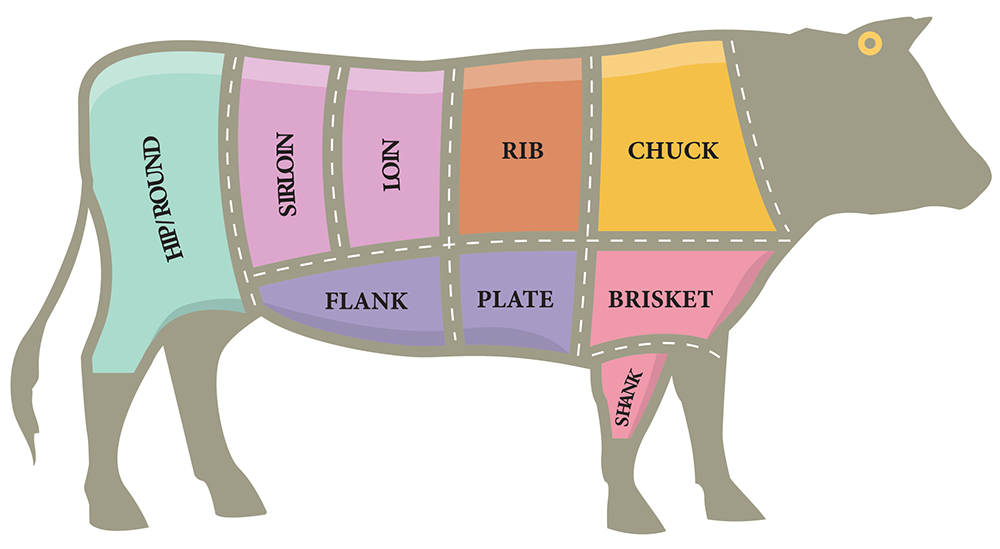
Ribeye a la Parrilla con Chimichurri Argentino

Información Nutricional por Porción (Valores aproximados)
610 Calorías
48g Proteína
44g Grasa
2g Carbohidratos
Ingredientes
Instrucciones
- 1 Prepara el chimichurri: En un tazón, mezcla el perejil, ajo, aceite de oliva virgen extra, vinagre de vino tinto, orégano y hojuelas de chile. Sazona con sal al gusto. Deja reposar a temperatura ambiente al menos 20 minutos para que los sabores se integren.
- 2 Prepara los ribeyes: Retira los cortes del refrigerador 30-40 minutos antes de asar para que lleguen a temperatura ambiente. Seca la superficie con toallas de papel. Frota con aceite de oliva y sazona generosamente con sal gruesa y pimienta por ambos lados.
- 3 Precalienta la parrilla: Calienta la parrilla a temperatura alta (450-500°F). Limpia y aceita bien las parrillas.
- 4 Asa los ribeyes: Coloca los cortes en la parrilla caliente. Asa 4-5 minutos sin mover para formar una costra dorada. Voltea una sola vez y asa otros 4-5 minutos para término medio-rojo (temperatura interna 130-135°F). Usa un termómetro de carne para verificar el punto exacto.
- 5 Reposa la carne: Transfiere los ribeyes a una tabla de cortar, cubre holgadamente con papel aluminio y deja reposar 5-7 minutos antes de cortar. Este paso es esencial para conservar los jugos.
- 6 Sirve: Corta contra la fibra si lo prefieres, o sirve entero con hueso. Baña generosamente con el chimichurri fresco justo antes de servir. Consejo: el chimichurri también se conserva bien hasta 3 días en refrigeración, en un frasco bien cerrado.






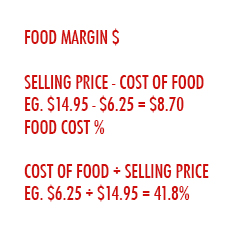

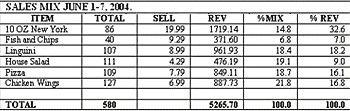

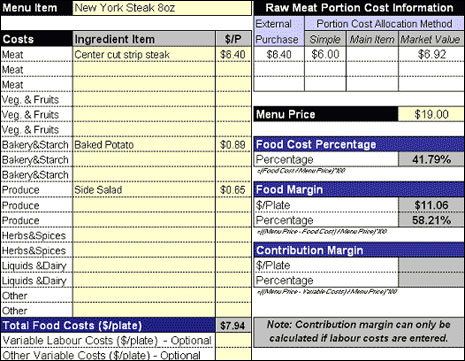
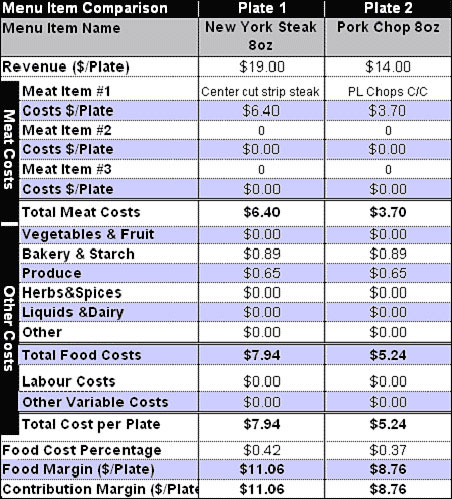



 The above example illustrates costing on one item. In order to calculate the food cost for an entire menu and use it effectively as a tool for monitoring efficiency, inventories are necessary – usually weekly or monthly. This process involves an Opening Inventory, adding Purchases, less a Closing Inventory. The derived number is the Usage, measured in dollars. Dividing the total Usage by the Total Sales will produce the Actual Food Cost.

 Appropriate selection and purchasing of raw materials is an important first step. The Yield Test Spreadsheet includes the ability to:
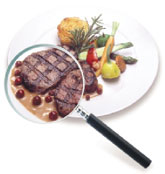 At foodservice, the meat comes on a plate. The yield test spreadsheet helps you put it all together: